
Odia Wedding Invitation Website.
An Odia bahaghara is usually an evening ceremony, and the bride’s brother carries a role most other traditions do not have. The invitation should reflect the family’s actual shape.
The functions your invite has to carry
Every family keeps a different set, and skips some entirely. Tell us yours and we build to it — this is the common shape, not a rulebook.
- 01
Nirbandha
The formal engagement and promise between families.
- 02
Jayee Anukolo
The invitation ceremony, beginning at the family deity’s temple.
- 03
Haldi Basa
Turmeric applied at both homes.
- 04
Barajatri
The groom’s procession to the venue.
- 05
Bahaghara
The ceremony, generally held in the evening.
- 06
Hatha Ganthi Phita & Khai
The knot-untying and the brother’s rite of parched rice.
- 07
Bahuna & Reception
The welcome at the groom’s home, then the reception.
What we build differently for a Odia wedding
Evening ceremony, different rhythm
Where most traditions run at dawn, bahaghara usually runs at night. Timings and travel notes are written for that.
The brother’s role, named
Khai gives the bride’s brother a defined part in the ceremony. Families like seeing it acknowledged on the invitation.
Odia script set as type
Live, selectable text rather than an exported image.
The wording
Invitations open with an invocation, frequently to Lord Jagannath, and are extended by the elders with the Odia calendar date alongside the Gregorian.
Languages: Odia and English.
See one that's live
A real invite we built, open the way a guest would see it.
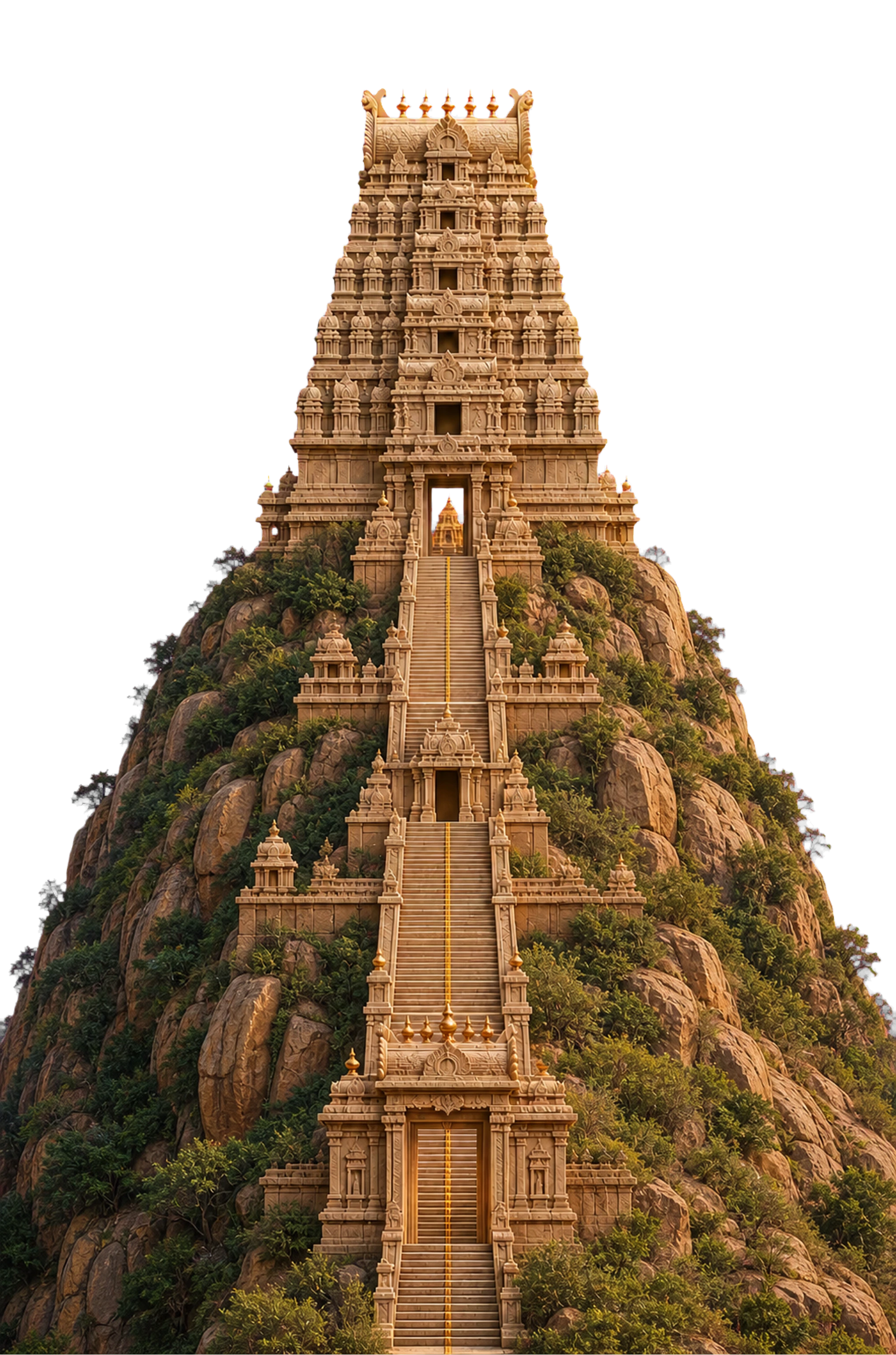 Aravind & Nithya A Tirumala wedding Open the invite →
Tell us about your wedding.
Send us your names, your date and the functions you're holding. We come back with first ideas and a quote, usually the same day.