
Japanese Wedding Invitation Website.
Japanese weddings are precisely run and precisely communicated, and the invitation is expected to match. A vague arrival time is not a stylistic choice here, it is a problem.
The functions your invite has to carry
Every family keeps a different set, and skips some entirely. Tell us yours and we build to it — this is the common shape, not a rulebook.
- 01
Yuino 結納
The formal betrothal exchange, where families keep it.
- 02
Shinzenshiki 神前式
The Shinto ceremony, often with seating for family only.
- 03
Hirouen 披露宴
The reception, with speeches, the cake and the candle service.
- 04
Oironaoshi お色直し
The costume changes, which shape the reception’s timing.
- 05
Nijikai 二次会
The after-party — different venue, different guest list, often its own fee.
What we build differently for a Japanese wedding
Two guest lists, two invitations
The hirouen and the nijikai rarely share a guest list, and the nijikai usually charges. One link with separate pages solves what two paper invitations handle awkwardly.
Access, not just an address
Nearest station, exit number, walking minutes. Japanese guests expect this, and its absence reads as carelessness.
Vertical Japanese where it belongs
Proper tategaki typesetting for the formal lines, with horizontal English alongside, and your Rokuyo date shown if you chose a Taian.
The wording
Formal invitations avoid punctuation and certain imikotoba entirely. The convention is real and elders notice. We set the formal Japanese correctly and keep the English natural rather than a literal translation.
Languages: Japanese and English.
See one that's live
A real invite we built, open the way a guest would see it.
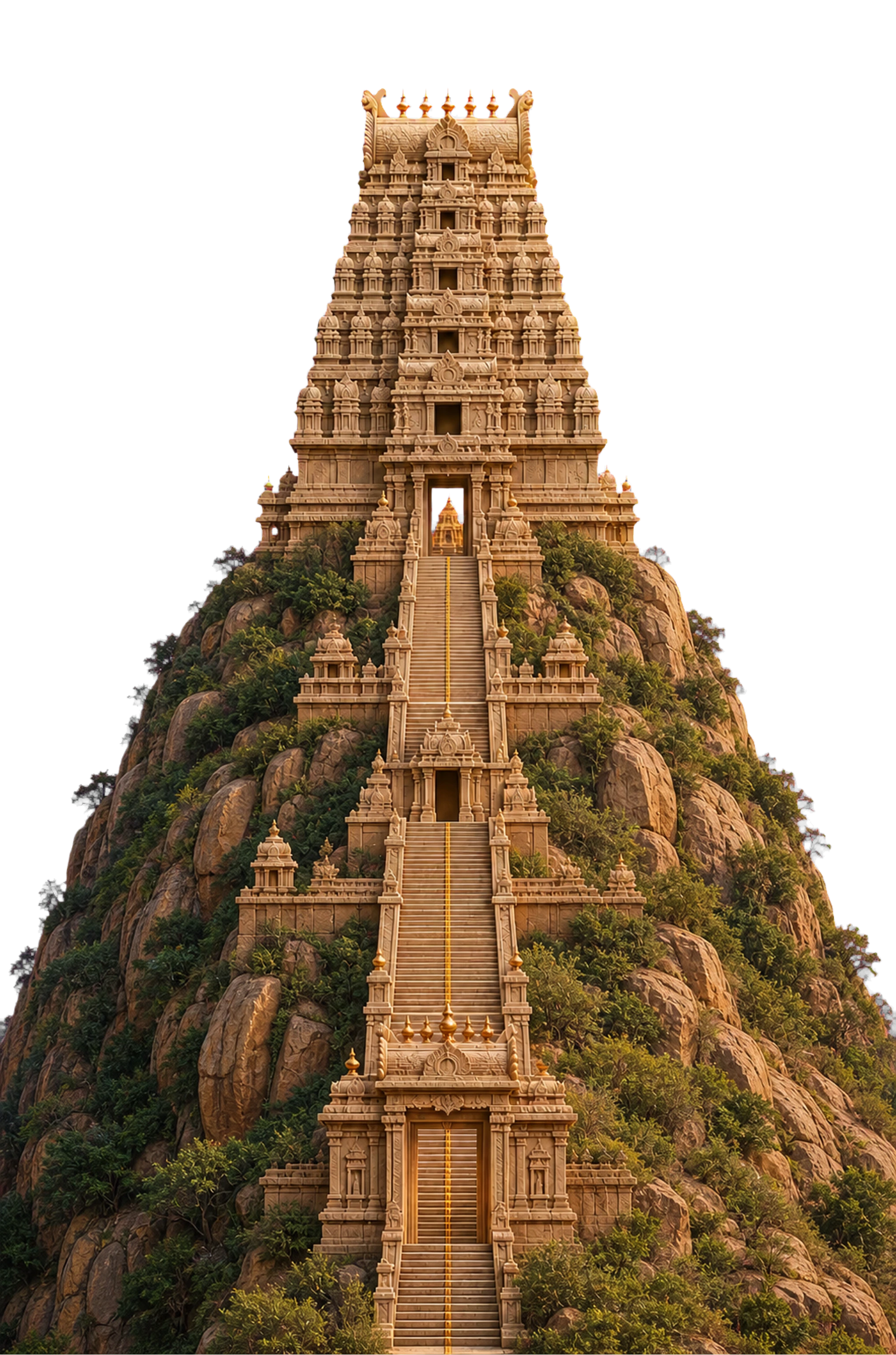 Aravind & Nithya A Tirumala wedding Open the invite →
Tell us about your wedding.
Send us your names, your date and the functions you're holding. We come back with first ideas and a quote, usually the same day.